How To Plan An Entryway Organisation Setup That Stays Tidy
A practical step-by-step guide to how to plan an entryway organisation setup that stays tidy, including preparation, instructions, common issues, tips, and next steps.
How To Plan An Entryway Organisation Setup That Stays Tidy
Planning an entryway organisation setup that stays tidy requires thinking about daily habits, storage capacity, and easy maintenance. This guide will help you design a practical entryway with zones for shoes, coats, bags, and miscellaneous items, using systems that are simple to maintain. You'll learn how to assess your space, choose the right storage, and create routines that ensure the entryway remains clutter-free. The focus is on creating a functional, inviting space that makes coming and going smooth and stress-free.
Fast Answer
- Start by clearing out the entryway completely and sorting items into categories: shoes, coats, bags, pet gear, and everyday essentials.
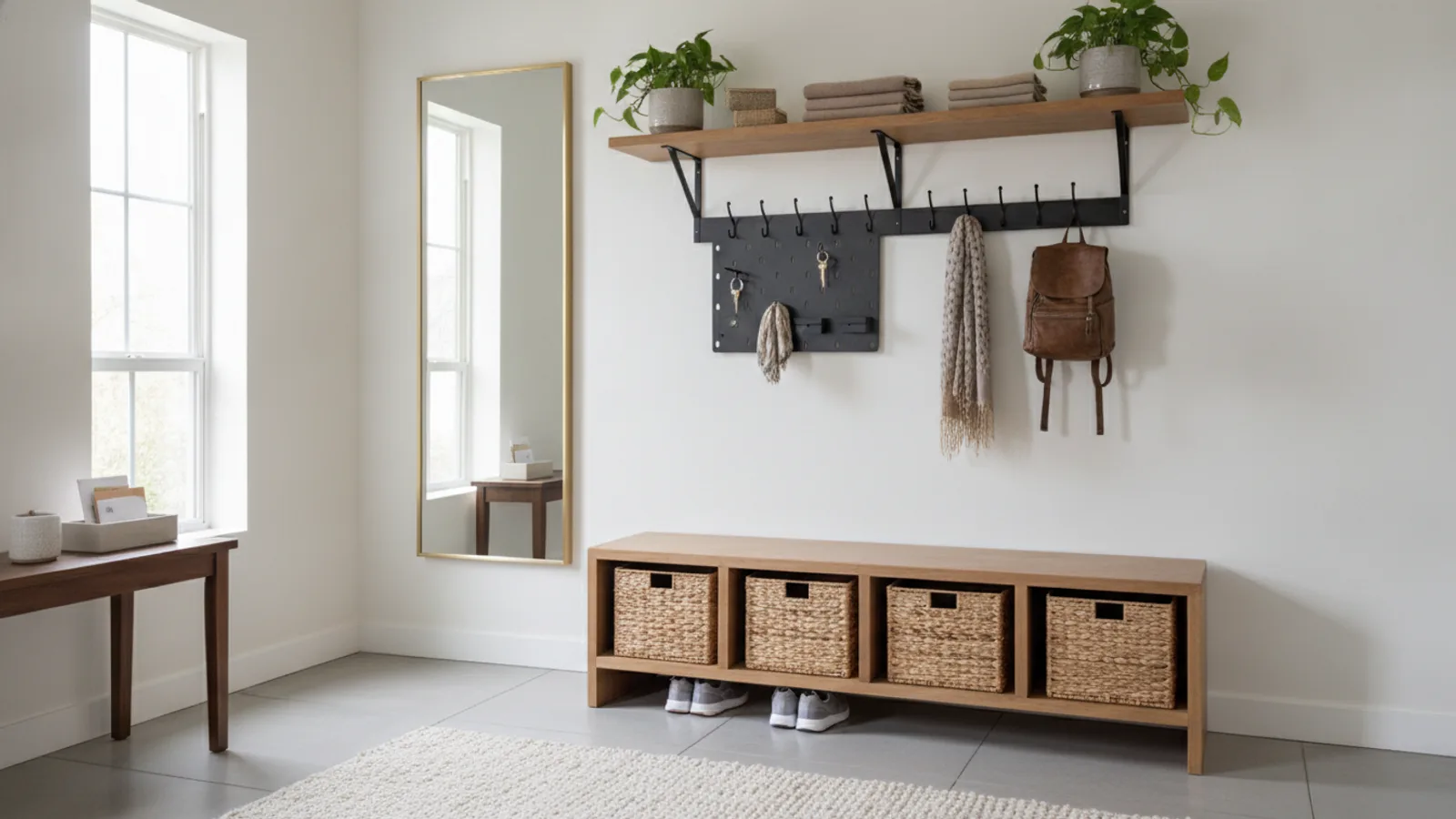
- Install a mix of open and closed storage, such as a bench with cubbies, hooks at different heights, and a small drawer unit, to accommodate various items while keeping surfaces clear.
Before You Start
- Measure the width, depth, and height of your entryway, including wall space and floor area, to understand what storage can fit.
- Gather all items currently stored in the entryway and sort them into keep, donate, relocate, or trash piles to reduce clutter.
- List the daily activities that happen in your entryway, such as putting on shoes, grabbing a bag, or dropping keys, to determine which items need prime positions.
- Decide on a budget and a style that complements the rest of your home, as well as the level of maintenance you're willing to commit to for finishes and materials.
Step-by-Step Instructions
Assess Your Entryway Space and Traffic Flow
Begin by measuring your entryway. Note the width of the entrance, the depth of any alcoves, and the height from floor to ceiling. Observe how people and items move through the space. Typically, you want a clear path of at least 90 centimetres for comfortable walking. Identify any natural zones: by the door for shoes, a spot for coats, and a surface for small items like keys and mail. Sketch a simple floor plan, marking doors, windows, and existing fixtures. This will help you visualise where to place storage. Check if the entryway is a high-traffic area that needs durable, easy-to-clean surfaces. Consider natural light and ventilation, which affect moisture and odor control. This assessment informs every subsequent decision, ensuring your storage fits the physical reality of the space and supports a natural flow.
Declutter and Categorise Everything
Empty your entryway completely. Bring in boxes or bags and sort every item into categories: shoes, outerwear, bags, accessories, sports gear, pet supplies, and miscellaneous. As you sort, ask yourself: Do I use this regularly? Is it seasonal? Does it belong here or elsewhere? Place items that don't belong in the entryway into a 'relocate' bin. For items you're unsure about, set them aside and revisit after a week. Be ruthless with items that are broken or worn out. After sorting, you'll have a clear idea of what needs permanent storage and how many hooks, cubbies, or bins you'll need. For example, count your pairs of shoes and jackets to determine capacity. Also note which items are used daily and should be within immediate reach. This step prevents overbuying storage and helps you design a system that fits your actual possessions.
Choose Functional Storage that Fits
Based on your measurements and item counts, select storage pieces that are proportionate and practical. A bench with cubbies or drawers offers a place to sit while providing shoe storage. Install hooks for coats and bags at varying heights to accommodate family members or visitors. Consider a slim cabinet or shelf unit for items that need to be hidden. For small entryways, vertical storage like tall shelves or wall-mounted racks can maximise space. Opt for materials that withstand moisture and heavy use, such as metal, treated wood, or washable fabrics. Ensure that all storage is easily accessible; you shouldn't have to bend or stretch awkwardly to reach frequently used items. Also think about the weight capacity and sturdiness of hooks and shelves, especially for heavy coats and bags. If you select furniture, confirm that it fits through your door and into the space.
Designate Zones for Specific Items
Before placing furniture, decide on zones: a shoe zone, a coat zone, a bag zone, and a 'drop zone' for keys, mail, and small electronics. In the shoe zone, plan for a mat to catch dirt and water. If you have many shoes, use a low shelf or a shoe rack that can hold one row per family member. In the coat zone, assign hooks so each person has a dedicated hook for a coat and perhaps a bag. Place them at shoulder height for adults and maybe a lower one for kids. The drop zone should have a tray or bowl for keys, a dish for small change, and maybe a wall-mounted key rack for quick access. Bags and backpacks can hang on the same hooks or be stored in a large bin below. This zoning ensures that everything has a designated home, reducing the chance of items piling up on surfaces.
Implement Maintenance Routines
A tidy entryway requires regular upkeep, but it can be simple. Establish a daily routine: when you come home, put away your shoes immediately, hang your coat, and empty your pockets into the drop zone. Weekly, allocate 10–15 minutes to sweep or vacuum, wipe down surfaces, and return misplace items to their zones. Monthly, do a more thorough check: purge items that no longer belong, clean out the shoe area, and maybe rotate seasonal gear. Make these routines part of your schedule, perhaps tying them to other habits like taking out trash or doing laundry. Consistency is key; if you skip a few days, clutter builds quickly. You can also involve family members by assigning simple tasks. The goal is to prevent clutter from accumulating and to keep the entryway welcoming.
Adjust and Personalise for Convenience
After using your new setup for a week or two, evaluate what is working and what isn't. Are you actually using all the hooks? Are shoes ending up on the floor? Is the drop zone overflowing? Make small adjustments: move hooks to a more convenient height, add an extra shelf for frequently used items, or swap a bin for a tray if you prefer visible storage. Personalise the space with a mirror, a small plant, or a favourite decorative tray to make it inviting. Use labels on bins or shelves to help family members remember where things go. You can also add seasonal touches, like a cup for mittens in winter or a basket for swim towels in summer, to accommodate changing needs. This ongoing fine-tuning ensures that the system remains functional and enjoyable.
Quick Reference
| Situation | Action | Why it helps |
|---|---|---|
| You have limited floor space in a narrow hallway. | Use vertical storage such as a tall shelf, wall-mounted hooks, and an over-the-door organizer for shoes, to free up floor space. | Vertical storage maximises the use of wall height, which is often underutilised in narrow spaces, keeping the floor clear for easy passage. |
| Multiple family members use the entryway and need individual storage. | Assign each person a designated area, such as a specific hook, shelf, or bin with their name or a distinctive colour label. | Individual assigned zones create personal accountability and make it easier to maintain order, as everyone knows exactly where their items belong. |
| The entryway becomes cluttered with daily items like keys, mail, and small electronics. | Set up a small 'drop zone' with a tray for keys and a slot or bowl for mail, and install a charging station nearby for electronics if needed. | Having a specific place for these small items prevents them from being scattered and reduces the risk of losing them, making the entryway instantly tidier. |
Common Issues
- Shoes pile up by the door because there isn't enough shoe storage.: Install a shoe bench or a compact shoe cabinet with multiple tiers, and consider using a doormat with a lip to keep shoes on it until they are put away. Alternatively, use a wall-mounted shoe rack.
- Coats and bags are draped over the bannister or chairs because hooks are insufficient or at the wrong height.: Add more hooks, ensuring they are placed at the appropriate height for all users, and consider a coat stand for additional capacity. Move hooks to near the entrance so they are convenient.
- Small items like keys and mail vanish or clutter surfaces because there is no designated drop zone.: Create a dedicated drop zone with a wall-mounted key rack, a tray for loose items, and a slotted basket or vertical file for mail. Place this zone near the door at eye level.
Advanced Tips
- Integrate lighting into your entryway storage, such as under-shelf strips or a small lamp, to make it easier to find items and create a welcoming atmosphere.
- Use hidden storage solutions like a bench with an upward-opening seat or a built-in wall niche to keep infrequently used items out of sight while maintaining a clean look.
- Install a boot tray with a grid or pebbled surface to collect water and dirt, and line it with a washable fabric insert for easy cleaning.
Final Checklist
- Measure your entryway and note all dimensions, including wall space and door swing.
- Clear out all items and sort them into categories, discarding what you don't need.
- Choose storage pieces that fit your measurements and needs, like a shoe bench and hooks.
- Set up designated zones with a tray for keys and a hook for each family member.
FAQ
What if my entryway is too small for any furniture?
Focus on using vertical and wall-mounted storage. Install hooks at different heights for coats and bags, use an over-the-door organizer for shoes or small items, and add a narrow shelf for drop items. Keep decorative elements minimal and choose foldable or stackable solutions that can be tucked away. Ensure that the essential items like frequently used shoes and keys have a specific home on a small tray or hook, and store seasonal items elsewhere.
How often should I declutter my entryway?
Aim to do a light declutter and reset once a week, which means returning items to their assigned zones and removing anything that doesn't belong. A deeper declutter every month is helpful to reassess what you really use, especially for seasonal items. This regular maintenance prevents the accumulation of clutter and keeps the system functioning. If you notice certain categories growing, like shoes, you may need to adjust your storage or donate rarely used items.
How can I keep the entryway floor clean with heavy foot traffic?
Place a durable, washable mat both outside and inside the doorway to trap dirt and moisture. Use a waterproof shoe tray or a plastic mat under the shoe zone for wet days. Establish a rule of no shoes beyond the mat, and keep a small hand vac or a broom nearby for quick clean-ups. Periodically wash or shake out mats to maintain their effectiveness. If you have pets, consider a mat that is easy to vacuum and clean.