What To Check Before Choosing Durable Fabrics For A Busy Household
A practical step-by-step guide to what to check before choosing durable fabrics for a busy household, including preparation, instructions, common issues, tips, and next steps.
What To Check Before Choosing Durable Fabrics For A Busy Household
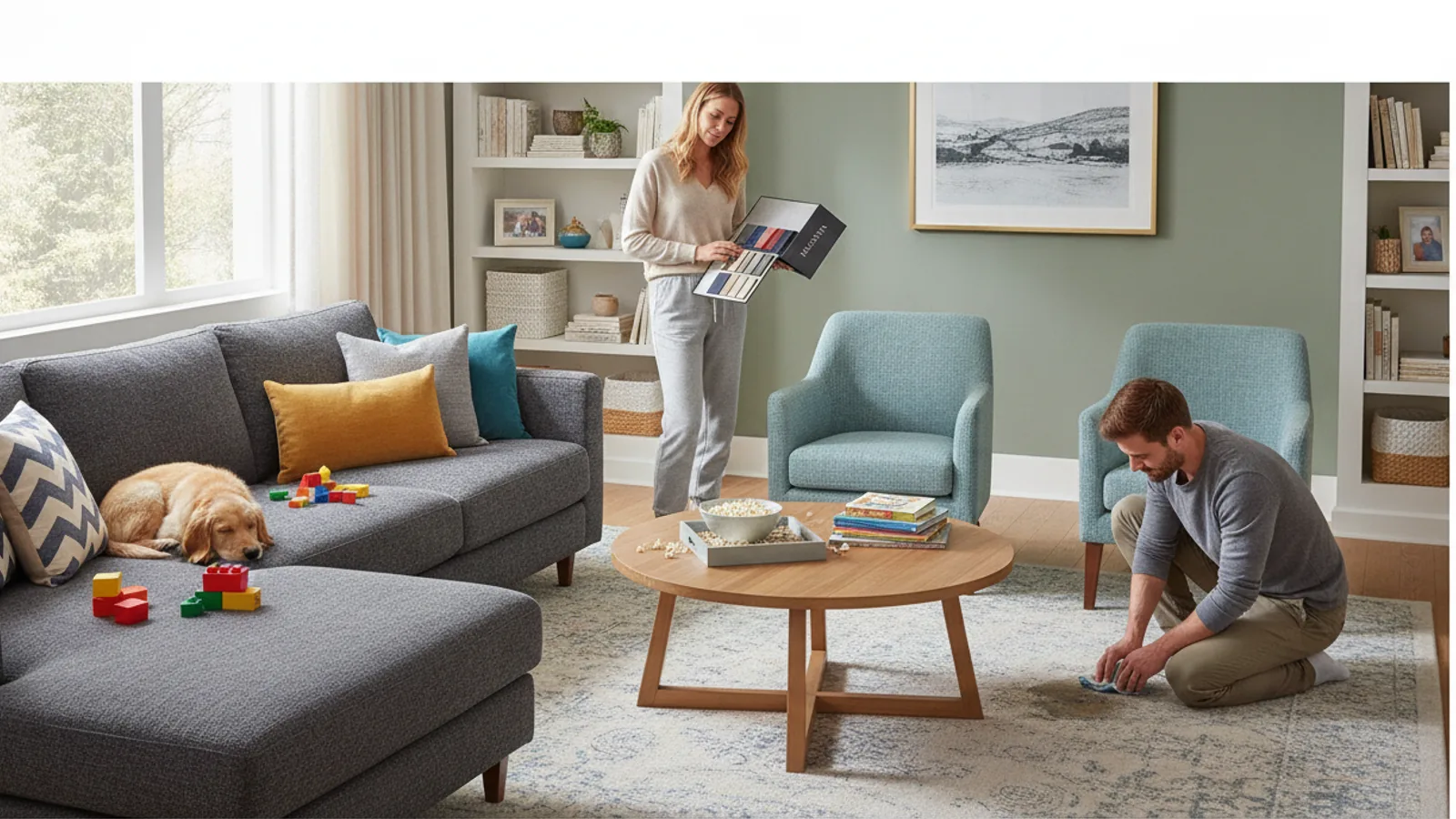
Choosing durable fabrics for a busy household means looking for materials that can handle frequent washing, heavy use, and daily wear without fading, pilling, or losing shape. The right fabric saves you time and money because it lasts longer and looks better. This guide walks you through the key checks to make before you buy, from understanding fiber content and weave tightness to testing colorfastness and checking care labels. You'll learn practical ways to assess fabric strength, such as rubbing the surface to detect pilling, pulling threads to test weave stability, and holding fabric up to light to see density. By following these steps, you can confidently pick fabrics that stand up to kids, pets, and everyday life, while still feeling comfortable and looking good.
Fast Answer
- Look for tightly woven, heavier fabrics like canvas, denim, or twill made from durable fibers such as cotton, polyester, or wool, and avoid loose knits or delicate weaves that snag easily.
- Always check the care label for washing instructions and stain resistance; choose fabrics labeled machine washable and quick-drying, and test for colorfastness before committing to a large purchase.
Before You Start
- Collect fabric swatches or small samples of the candidates you're considering, so you can handle and test them without committing to a full purchase.
- Prepare a small spray bottle with water, a clean white cloth, and a bright light source (like a flashlight) to test colorfastness, weave density, and pilling resistance.
- Write down your household's specific needs: frequency of washing, exposure to sunlight, presence of pets or children, and the type of wear the fabric will face (e.g., seating, bedding, or curtains).
- Read the care labels on any samples or products you have, and note the fiber content, weave type, and any special treatments like stain resistance or water repellency.
Step-by-Step Instructions
Examine the Fiber Content First
Start by reading the fiber content label or asking the store for details. Natural fibers like cotton and wool are breathable and comfortable, but pure cotton can shrink or weaken without proper finishing. Synthetic fibers such as polyester, nylon, and acrylic are often stronger and more resistant to stretching and shrinkage, but they may feel less breathable. For a busy household, consider blends that combine the best of both worlds, like a cotton-polyester mix that resists wrinkles and holds color well. Check the percentage of each fiber; a higher synthetic content often means better durability, but a blend with at least 30% natural fiber can keep comfort high. Avoid fibers that are known to be weak, like rayon or silk, unless they are specially treated. Write down the fiber content and think about how it will behave with frequent washing.
Test the Weave or Knit Tightness
Hold the fabric up to a strong light and look at how closely the threads are woven or knitted. A tight, dense weave shows little light through and feels smooth and firm. Loose weaves let light pass easily and can snag or unravel with wear. Run your fingers across the surface; you should not see gaps or be able to push threads aside easily. For knit fabrics, check that the loops are small and even. A tight weave not only resists abrasion but also prevents dirt from getting deep into the fibers, making cleaning easier. Compare two samples by rubbing them with your thumb; the one that feels more solid and doesn't shift is likely to hold up better. This simple test takes a minute and gives you immediate information about the fabric's structure and durability.
Check for Pilling Resistance
Pilling is the formation of little balls of fiber on the surface, which makes fabric look worn and old. To test for pilling, rub the fabric firmly with your palm or against a rough surface for about 30 seconds. If you see tiny balls forming, that fabric will likely pill in daily use. Some fabrics are treated with a finish that reduces pilling, but the treatment can wash off over time. Look for fabrics made of long-staple fibers, like long-staple cotton or merino wool, because they are less likely to pill. Blends with polyester or nylon are also more pill-resistant because synthetic fibers are stronger and less likely to break off. If you're comparing two fabrics, rub both in the same way and choose the one that stays smoother. This test is especially important for high-friction areas like sofa seats and bedding.
Perform a Colorfastness Test
Pour a little water into a spray bottle and mist a small area of the fabric, then press a clean white cloth or paper towel onto the damp spot. Wait a few seconds, then check if any color transfers to the white cloth. If you see dye, the fabric may bleed or fade in the wash, especially if you use warm water or detergent. Even if no color transfers immediately, wash the sample in cold water with a bit of detergent to see if the water becomes colored. Colorfastness is crucial for busy households because you'll want to wash items often without worrying about dulling or running. Also consider sun exposure; some dyes fade quickly in direct sunlight. If you're buying furniture fabric, check if the color is rated for lightfastness. A simple test now can save disappointment later, so don't skip this step.
Evaluate Washing and Drying Ease
Look at the care label and check if the fabric is recommended for machine washing and tumble drying. Fabrics that require hand washing or dry cleaning add extra work and expense, which is not practical for a busy household. Even if a fabric is labeled machine washable, consider how it will respond to repeated washes: will it shrink, stretch, or lose its shape? Check the label for maximum water temperature and whether it can be bleached. Some durable fabrics, like canvas or denim, may feel stiff at first but soften with washing, while others may lose their finish. If you're buying a large item like a sofa cover, think about whether you can easily wash it at home or if it will need professional cleaning. Choosing wash-and-wear fabrics saves time and ensures your home stays clean and fresh.
Assess Abrasion Resistance with a Rubbing Test
Abrasion resistance is how well a fabric withstands rubbing, which is key for high-use areas like seats, armrests, and edges. To test, fold the fabric in half and rub the folded edge back and forth across a rough surface like a towel or your own hand for a minute. Look for signs of fraying, pilling, or thinning. A fabric that starts to wear down quickly will not last long in a busy household. For upholstery, the Martindale test measures this with a rub count, but you can do a practical home test. Try rubbing a balled-up piece of the fabric against a wooden chair leg or a textured surface. If it begins to fuzz, it will likely fade or degrade faster. Choose a fabric with a tight weave and strong fibers for areas that get constant friction. This test helps you predict which fabric will hold up to kids, pets, and daily life.
Quick Reference
| Situation | Action | Why it helps |
|---|---|---|
| You see the same type of fabric in a 'heavy' and a 'light' version, and you're unsure which to choose for a living room sofa. | Choose the heavier version if it has a tight weave and a higher thread count; do the light test and feel for firmness. You can also ask for the fabric's rub count—the higher the number, the better for daily sitting. | Heavier, tightly woven fabrics resist abrasions and keep their shape under constant pressure, while light fabrics wear out faster and may need replacing sooner. |
| You're buying curtains for a sunny, west-facing window, and you want them to last without fading. | Check the fabric label for a UV protection rating or look for a weave that is opaque to sunlight. Ask the store if the dye is lightfast, and hold the fabric up to sun to see if the color seems stable. | Sunlight can degrade fibers and cause color to fade quickly; choosing a fabric with good lightfastness and a tight weave helps block UV rays and extend curtain life. |
| You need new bedding that can handle frequent washing from family members with allergies or skin sensitivities. | Opt for 100% cotton with a high thread count (at least 200), and confirm it is labeled as gentle for sensitive skin. Wash a sample in your machine with your regular detergent to see if it remains soft and doesn't fade. | High-quality cotton is breathable, durable, and becomes softer with each wash, while being less likely to irritate sensitive skin compared to synthetic fabrics that may retain heat and detergents. |
Common Issues
- Fabric pills after a few weeks of use, especially on sofa seats.: Use a fabric shaver to remove pills, but also try to choose fabrics with a tighter weave and longer staple fibers in the future. For now, you can also change how you sit to reduce friction, and wash the sofa cover if it's removable, using a gentle cycle.
- The color fades or bleeds when you wash the fabric, making it look dull.: Wash the fabric in cold water and add a cup of white vinegar to the rinse cycle to help set the dye. For future purchases, perform a colorfastness test before buying. If you already have the fabric, separate lights and darks, and air-dry instead of using a dryer.
- Fabric shrinks or stretches out of shape after the first wash.: Read the care label and adhere to the recommended water temperature and drying method. If the fabric is prone to shrinkage (like pure cotton), wash it in cold water and avoid the dryer. If it stretches, use a lower spin cycle and lay flat to dry. Prewashing fabric before sewing or crafting can also help.
Advanced Tips
- Consider the fabric's pilling rating (often measured in a scale of 1-5) if you can find it; a rating of 4 or 5 means excellent resistance to pilling.
- Look for fabrics that have been pre-treated with stain-resistant finishes (like Teflon or Scotchgard, but these are not brand names) that can be reapplied at home after washing to maintain protection.
- For high-traffic areas, a woven fabric with a twill or canvas weave is often more durable than a plain weave because it has a denser structure and fewer loose threads.
Final Checklist
- Check the fiber content and ensure the blend matches your household's durability and comfort needs.
- Perform a visual light test to confirm the weave is tight and dense, and feel the surface for smoothness.
- Rub a small swatch to test for pilling and abrasion, and do a water-based colorfastness check.
- Read the care label and verify that the fabric can be machine washed and dried without special treatments.
FAQ
What is the most durable natural fiber for upholstery?
Cotton and linen are strong natural options, but cotton is more versatile and easier to clean. Canvas or denim, which are heavy cotton weaves, are excellent for furniture because they resist tearing. Wool is also durable and naturally resists stains and odor, but it may require special care like dry cleaning. Choose a tight weave and a high thread count for the best balance of comfort and longevity.
Is it better to choose a synthetic or natural fabric for a busy household?
Synthetics like polyester and nylon often outperform natural fibers in terms of strength, stain resistance, and quick-drying, but they can feel less breathable and may cause sweating on hot days. A blend of natural and synthetic fibers, such as a cotton-polyester mix, offers the best of both: durability, easy care, and comfort. For high-moisture areas, a high synthetic content might be preferable; for breathability, increase the natural fiber percentage.
How can I make my fabric last longer even if it's not the most durable type?
You can extend a fabric's life by following care instructions, using cold water washes, line drying, and rotating the use of items like sofa cushions. Apply a fabric protector spray to help resist stains, and avoid direct sunlight to reduce fading. Frequent vacuuming and prompt spot cleaning also prevent dirt from grinding into the fibers. If you notice piling, use a fabric shaver carefully to keep the surface smooth.