What To Check Before An Entryway Organisation Setup That Stays Tidy
A practical step-by-step guide to what to check before an entryway organisation setup that stays tidy, including preparation, instructions, common issues, tips, and next steps.
What To Check Before An Entryway Organisation Setup That Stays Tidy
This guide walks you through the essential checks before setting up an entryway organization system that stays tidy. It covers traffic flow, storage needs, cleaning habits, family involvement, and maintenance routines. By following these steps, you'll create a functional entryway that remains clutter-free with minimal effort.
Fast Answer
- Assess your entryway's traffic flow and daily usage to determine necessary storage zones and clear pathways.
- Choose durable, easy-clean materials and assign a designated spot for every item to ensure maintenance is simple.
Before You Start
- Clear out the entryway completely, storing items temporarily elsewhere, to see the true space and floor condition.
- Measure width, depth, and height of the entryway, including wall space and any built-in features.
- List every item that needs to live in the entryway, from shoes and coats to keys and bags.
- Observe your family's daily comings and goings for one week, noting times of peak use and common clutter points.
Step-by-Step Instructions
Measure and Map the Space
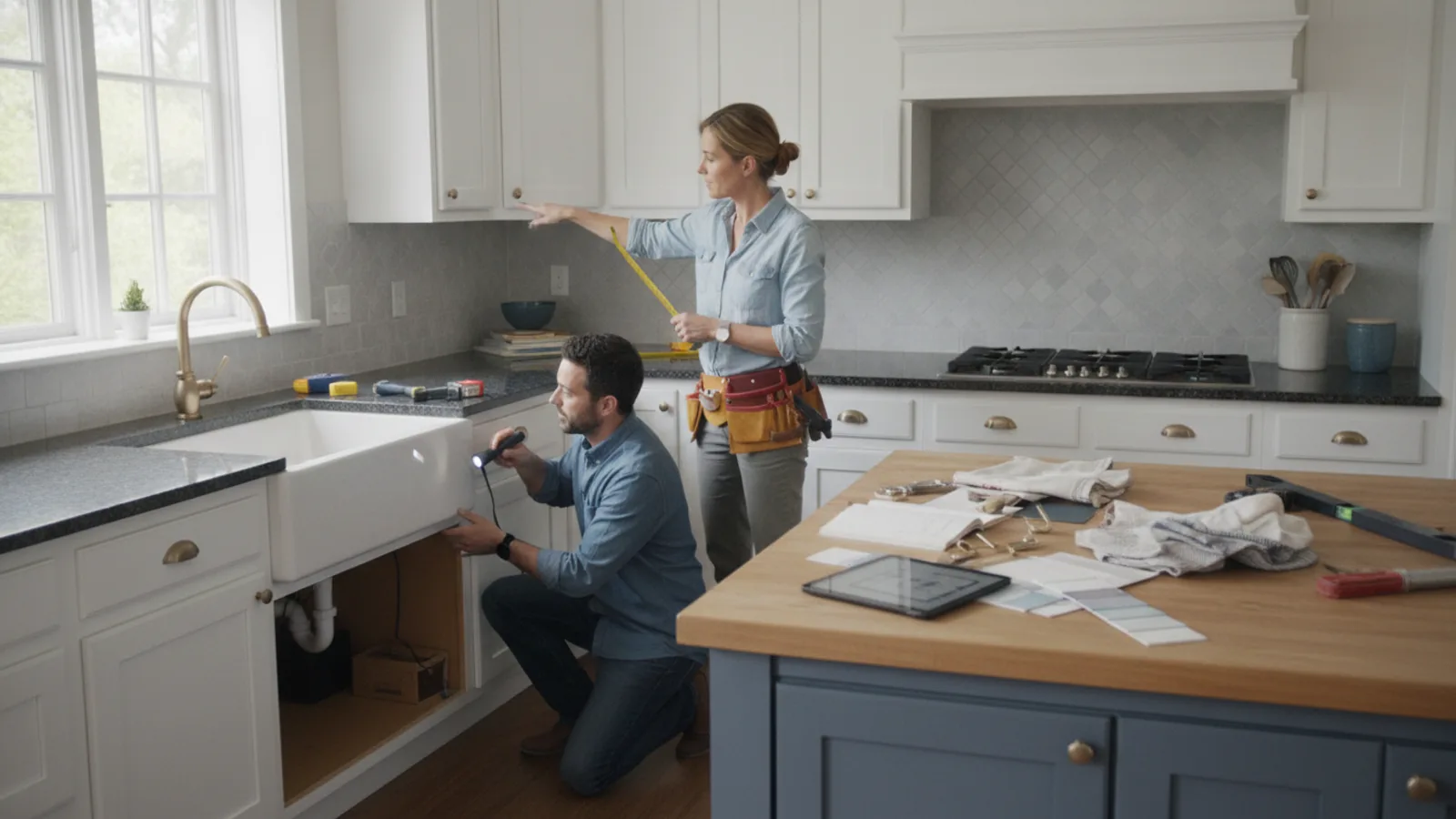
Start by clearing the entryway completely so you can see the exact dimensions and shape of the area. Use a tape measure to record the length and width of the floor, the height of the ceiling, and the depth of any alcoves or niches. Also measure the width of any doorways or corridors leading into the entryway to ensure that furniture can be moved in easily later. Sketch a simple floor plan on paper, noting the locations of doors, windows, radiators, outlets, and light switches. This map will become your guide for placing storage units and seating without blocking traffic or access. Taking these measurements prevents buying pieces that are too large or too small, saving you the hassle of returns and rearrangements. It also helps you avoid placing obstacles in front of utilities or openings, which would create daily frustrations. By investing a few minutes in this step, you set a solid foundation for a functional and tidy entryway.
Analyze Daily Traffic Flow
Spend a day or two observing how you and your household actually use the entryway. Notice the main path people take from the door to the rest of the home, and where they naturally drop their belongings. At peak times, such as when everyone arrives at once, you might see congestion or items piling up on the floor. Identify the high-traffic zone where people need to walk, and plan to keep that path clear at all times. Then, identify the natural 'drop zones' near the entrance where shoes, bags, and coats tend to accumulate. These are the spots where you will need the most storage and hooks. Also consider how the entryway connects to other rooms: if it opens directly into the living room, for example, you may want to limit visual clutter. Understanding traffic patterns helps you place storage exactly where it's needed, preventing future jams and encouraging everyone to use the system consistently.
Inventory Your Entryway Items
Create a complete list of everything that will routinely live in the entryway. This includes outerwear like coats, jackets, hats, scarves, and gloves; footwear such as everyday shoes, boots, slippers, and seasonal items; and daily essentials like keys, wallets, sunglasses, backpacks, and umbrella stands. Also think about items that come in temporarily, such as sports equipment, dog leashes, or shopping bags. Categorize the list by type and then estimate the quantity for each category. This inventory tells you how many hooks, shelves, baskets, or cubbies you'll need to avoid overflow. It also reveals if you have too many items for the available space, which might require you to purge or relocate some things to a closet or garage. Without a clear inventory, you risk buying insufficient storage or creating a system that doesn't meet your actual needs.
Choose Storage for Function and Fit
Select storage pieces that match your measured space and inventory list, prioritizing function over looks. Look for a bench with shoe storage underneath, a coat rack with plenty of hooks, and a small table or shelf for everyday items. Ensure that any furniture is proportionate to your entryway: a massive armoire will overwhelm a tiny nook, while a flimsy coat rack won't handle heavy winter coats. Check that all pieces are sturdy and made of materials that can withstand moisture from wet shoes and umbrellas. If you have a narrow hallway, opt for shallow cabinets or wall-mounted shelves to keep the walking path clear. Also verify that doors and drawers open fully without hitting walls or other furniture. By choosing pieces that fit both your space and your habits, you create a system that is easy to use and maintain.
Plan Zones and Assign a Place for Everything
Divide your entryway into distinct zones for different functions: a 'drop zone' near the door for keys and mail, a 'seating and shoes' area, a 'coat and outerwear' area, and possibly a 'patio or sports gear' zone. Assign each item from your inventory to a specific zone and a specific spot within that zone. For example, designate a bowl for keys, a hook for each frequent-use coat, and a shelf for each pair of shoes. Label these spots with simple cues, such as small signs or color-coded bins, so every household member knows where things go. This arrangement makes it easy to put items away quickly and to find them later. It also prevents small items like keys from getting lost in the shuffle. When everything has a home, tidying becomes a matter of returning items to their assigned places.
Set Up and Test the System for a Week
Place your storage units according to your floor plan, then live with the system for a full week before making final adjustments. Pay attention to how well it works in real life: Are items easy to put away and retrieve? Do any areas still get cluttered? Are there any bottlenecks or frustrations? After a few days, shift pieces if needed, and add hooks or baskets if you missed something. Also, observe how each family member uses the system and encourage them to follow the labels. If something isn't working, adjust the plan rather than forcing it. A week of trial use reveals practical flaws that you can fix before the setup becomes permanent. This testing period is crucial because it confirms that the system is convenient enough to maintain, which is the key to keeping your entryway tidy long-term.
Quick Reference
| Situation | Action | Why it helps |
|---|---|---|
| No designated spot for keys or small items, causing them to be misplaced daily. | Place a shallow dish or tray near the door and commit to putting keys and other small essentials there every time you enter. | A dedicated catch-all reduces the chance of losing important items and creates a consistent routine for the whole family. |
| Multiple people arriving at once leads to congestion and items piling up on the floor. | Create a wide walkway of at least 3 feet and install hooks and cubbies at heights that work for everyone, so each person can quickly put away their things. | Clear floor space and accessible storage minimize bottlenecks and social friction, making the entryway function smoothly during busy times. |
| Wet shoes and umbrellas leave puddles or dirt on the floor. | Place a waterproof boot tray or mat immediately inside the door, and encourage family to remove shoes there before stepping further. | Capturing moisture and dirt at the entrance protects your flooring and reduces the time you spend cleaning, keeping the area tidy. |
Common Issues
- Coat hooks come tumbling down after a few weeks because they were not installed properly.: Remove the hooks, drill pilot holes, and anchor them into wall studs using appropriate hardware. If studs are not available, use heavy-duty wall anchors rated for the weight of your coats.
- Shoes end up on the floor because the storage shelves are too small or too deep, making them hard to reach.: Adjust the shelving to fit the size of your shoes; for most, shelves should be about 12 inches apart. Alternatively, use shallow cubbies that slide out, so it is easy to see and select a pair.
- The entryway gets cluttered again quickly because there is no place for mail, keys, and small items.: Install a small wall-mounted organizer or a decorative tray with a designated spot for each category, and empty it daily into a filing system or trash to prevent accumulation.
Advanced Tips
- Incorporate a 'charging locker' for electronics—a small cubby with a power strip for phones and tablets—so devices stay out of sight and charged.
- Use pull-out drawers under the bench with dividers to store hats, gloves, and scarves by person, making morning rushes easier.
- Consider installing a motion-sensor light or a timed switch to ensure the entryway is well-lit even during dark winter months, reducing the chance of dropped items.
Final Checklist
- Measure the entryway and create a floor plan that shows clear traffic paths and storage placement.
- Inventory all items that will live in the entryway, and ensure you have storage for each category.
- Set up storage zones with labels for each person and item, and assign a home for everything.
- Follow the one-week trial period, then adjust as needed to make the system seamless for daily use.
FAQ
How do I handle a very narrow entryway that feels tight?
In a narrow entryway, prioritize vertical storage, such as high shelves or wall-mounted hooks, and use a slim bench that can be mounted to the wall or folded. Keep the floor clear by using a shallow console table with drawers. Make sure the path is at least 2 feet wide for comfortable passage, and avoid bulky furniture that juts into the walkway.
What is the best way to store seasonal shoes and boots?
Designate a lower shelf or a separate bin for each person's current-season shoes. For off-season footwear, use clear, labeled storage boxes and place them on upper shelves or in another closet. Rotate the seasonal items twice a year to keep the entryway uncluttered and make everyday choices easier.
How can I motivate my family to stick to the entryway system?
Involve everyone in the planning and labeling process so they feel ownership. Use simple labels with names or icons so even children can follow. Make it a rule to put away items immediately when entering, and set a daily ten-minute tidy-up routine. Positive reinforcement, like a busy-morning checklist, can also encourage consistency.